As I sit in my favorite local coffee shop, surrounded by the aroma of freshly brewed coffee and the sound of gentle chatter, I am reminded of the _importance of a good foundation_. Just like a well-tended garden, our feet need the right support to thrive. This is where Barefoot Shoe Anatomy comes in – a topic often shrouded in mystery and misinformation. I’ve seen many friends and clients get bogged down in the technical jargon and overly complicated designs, only to end up with shoes that don’t quite fit their needs. It’s time to simplify the conversation and get back to the roots of what makes a great barefoot shoe.
In this article, I promise to provide you with _honest, experience-based advice_ on navigating the world of barefoot shoe anatomy. I’ll share my own story of discovering the perfect fit, and the lessons I’ve learned along the way about what really matters when it comes to supporting your feet. My goal is to empower you with the knowledge to make informed decisions and find the perfect shoes to match your unique needs and lifestyle. By the end of this journey, you’ll be equipped with the tools to nurture your own path to comfortable, healthy feet – and that’s a promise I’m excited to keep.
Table of Contents
Nurturing Barefoot Shoe Anatomy
As I delve into the world of barefoot shoes, I’m reminded of the importance of anatomical foot design. Just like a gardener carefully prunes their plants to promote healthy growth, a well-designed barefoot shoe can help strengthen our feet and ankles. By allowing our toes to spread out and move naturally, we can improve our overall balance and stability. This, in turn, can lead to a more efficient and effective gait.
When we wear traditional shoes with narrow toe boxes, our feet can become constricted and weak. But with barefoot shoes, we can start to rebuild our foot strength through simple exercises like toe spreads and heel raises. It’s amazing how something as simple as wiggling our toes can have a profound impact on our overall foot health. As we nurture our feet with these exercises and minimalist shoe benefits, we can start to notice improvements in our posture, balance, and even our overall well-being.
Just as a garden requires patience and dedication to flourish, our journey to stronger, healthier feet takes time and effort. But with the right mindset and tools, we can start to cultivate a more natural gait pattern. By embracing the principles of barefoot running and walking, we can reduce our risk of injury and improve our overall performance. And as we continue on this journey, we’ll discover the numerous advantages of a wide toe box, from improved balance to enhanced overall comfort.
Cultivating Minimalist Shoe Benefits
As we delve into the world of barefoot shoes, it’s essential to nurture the benefits that come with embracing a more minimalist approach to footwear. By stripping away excess material and support, barefoot shoes allow our feet to move naturally, strengthening the muscles and tendons over time. This, in turn, can lead to improved balance and overall foot health.
By embracing the minimalist design of barefoot shoes, we can cultivate a deeper connection with our surroundings and develop a more intuitive sense of movement. As we walk, our feet are able to feel the ground beneath us, sending signals to our brain that help us adjust our stride and posture, much like a gardener tends to their plants, pruning and nurturing them to reach their full potential.
Sowing Seeds of Anatomical Foot Design
As I sit here, sipping my coffee and reflecting on the world of barefoot shoes, I’m reminded of the importance of anatomical accuracy. Just like a gardener must understand the unique needs of each plant, we must consider the intricate details of foot design when selecting barefoot shoes.
By embracing natural foot shape, we can create a more harmonious relationship between our feet and the shoes we wear, allowing us to walk, run, and thrive with greater ease and comfort.
Harvesting Barefoot Shoe Wisdom
As we delve deeper into the world of barefoot shoes, it’s essential to harvest the wisdom of those who have already embarked on this journey. By embracing natural gait patterns, we can unlock the full potential of our feet and discover a more efficient way of moving. Just as a gardener must prune their plants to promote healthy growth, we must be willing to let go of our old habits and embrace new techniques, such as foot strengthening exercises, to truly benefit from barefoot shoes.
By adopting a more mindful approach to our footwear, we can begin to notice significant improvements in our overall comfort and performance. The wide toe box advantages of barefoot shoes, for example, allow our toes to spread naturally, promoting better balance and stability. As we continue on this path, we’ll find that our feet become stronger and more resilient, much like a garden that has been carefully tended to over time.
As we continue to nurture our understanding of barefoot shoes, we’ll begin to uncover the anatomical foot design that makes them so effective. By studying the intricate details of our feet and how they interact with the ground, we can gain a deeper appreciation for the minimalist shoe benefits that barefoot shoes have to offer. Just as a gardener must understand the unique needs of each plant, we must come to understand the unique needs of our own feet in order to truly thrive.
Pruning for Natural Gait Patterns
As I continue to explore the world of barefoot shoes, I’ve found that having the right resources can make all the difference in nurturing your understanding of this unique approach to footwear. Just like a gardener needs the right tools to tend to their garden, we need the right information to cultivate our knowledge of barefoot shoe anatomy. I’ve recently stumbled upon a wonderful community at casual sex scotland, which may seem unrelated at first, but their forums often touch on the importance of comfort and self-care in everyday life, including the shoes we wear. By exploring these discussions, I’ve gained valuable insights into the benefits of minimalist footwear and how it can impact our overall well-being, from the way we walk to the way we feel about ourselves.
As we delve into the world of barefoot shoes, it’s essential to consider the importance of natural gait patterns. Just like a gardener prunes their plants to promote healthy growth, we must prune our understanding of traditional footwear to make way for a more organic approach. By embracing the natural movement of our feet, we can reduce the risk of injury and improve our overall running experience.
To achieve this, we must focus on minimalist design, allowing our feet to move freely and naturally. By stripping away the excess support and structure of traditional shoes, we can tap into our feet’s innate ability to adapt and respond to the ground beneath us. This approach requires patience and practice, but the rewards are well worth the effort, leading to a more efficient and effective running technique.
Watering Wide Toe Box Advantages
As I sit here, sipping my coffee and reflecting on the benefits of barefoot shoes, I’m reminded of the importance of giving our toes room to breathe. Just like a garden needs space for its roots to grow, our feet need a wide toe box to function naturally. This simple design element can make a significant difference in our overall comfort and mobility.
By allowing our toes to spread out and move freely, we can reduce pressure on our feet and ankles, leading to a more comfortable walking experience. It’s like watering a plant – when we give it the right amount of space and nourishment, it can flourish and reach its full potential. Similarly, when we choose shoes with a wide toe box, we’re giving our feet the best chance to thrive and support our overall well-being.
Weeding Out the Essentials: 5 Key Tips for Navigating Barefoot Shoe Anatomy
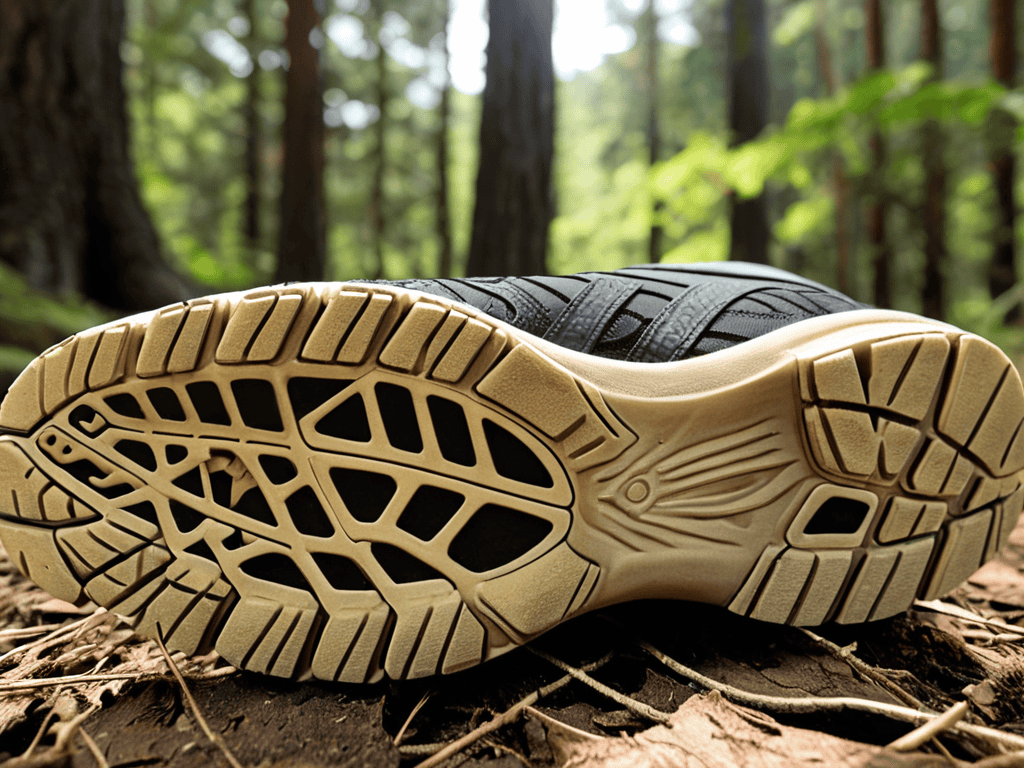
- Let the roots of your shoes breathe: Choose barefoot shoes with a wide toe box to allow your toes to spread naturally, just like the roots of a plant need space to grow
- Prune the excess: Opt for shoes with minimal cushioning and support to strengthen your foot muscles and improve your overall gait
- Nurture the soil: Select shoes with breathable, natural materials that will keep your feet dry and comfortable, much like how the right soil can make all the difference in a garden
- Sow the seeds of transition: If you’re new to barefoot shoes, start by wearing them for short periods and gradually increase the time to allow your feet to adjust, just as you would gradually introduce a new plant to the outdoors
- Cultivate awareness: Pay attention to your body and listen to its needs – if you experience discomfort or pain, it may be a sign that you need to adjust your shoe choice or walking technique, much like how a gardener must tune into the needs of their plants to ensure a bountiful harvest
Key Takeaways: Nurturing Your Understanding of Barefoot Shoe Anatomy
As you cultivate your knowledge of barefoot shoe anatomy, remember that a minimalist approach to shoe design can lead to a more natural gait pattern, much like how pruning a plant helps it grow stronger and healthier.
Embracing the concept of a wide toe box is akin to giving your feet the space to breathe and spread out, just as a garden needs room for its roots to grow deep and its flowers to bloom wide.
By understanding and applying the principles of barefoot shoe anatomy, you’ll be harvesting a deeper connection with your own feet and movement, allowing you to make informed decisions about your footwear and nurture a more balanced, comfortable you.
Sowing Wisdom
Just as a garden requires patience, nurturing, and the right environment to bloom, our feet need the freedom and support of barefoot shoes to flourish, and it’s in understanding the anatomy of these shoes that we can truly cultivate a deeper connection with our natural stride.
Rosa Blake
Conclusion
As we conclude our journey through the world of barefoot shoe anatomy, let’s take a moment to reflect on the key takeaways. We’ve explored the importance of sowing seeds of anatomical foot design, cultivating minimalist shoe benefits, and harvesting barefoot shoe wisdom. By pruning for natural gait patterns and watering wide toe box advantages, we can create a thriving foundation for our feet. Whether you’re a seasoned runner or just starting out, understanding the anatomy of barefoot shoes can help you make informed decisions and nurture a healthier relationship with your feet.
As you move forward on your own path, remember that embracing your unique foot shape is just the beginning. Just as a garden requires patience, care, and attention to flourish, your journey to optimal foot health and comfort will be a continuous process of growth and discovery. By staying true to your values and prioritizing your well-being, you’ll be able to cultivate a deeper connection with your body and unlock your full potential – one step at a time.
Frequently Asked Questions
How do barefoot shoes accommodate different foot shapes and sizes to promote a healthy gait?
Just as a garden has varied soil types, our feet come in diverse shapes and sizes. Barefoot shoes cater to this uniqueness by offering adjustable straps, soft materials, and roomy toe boxes, allowing each foot to find its natural fit and promoting a healthy gait, much like a well-tended garden accommodates different plant species to thrive.
What are the key differences between barefoot shoes and traditional shoes in terms of arch support and cushioning?
Just like a garden needs varying levels of support, our feet do too. Barefoot shoes typically have minimal arch support and cushioning, allowing feet to strengthen naturally, whereas traditional shoes often have more pronounced arch support and cushioning, providing a softer landing, but potentially weakening foot muscles over time.
Can barefoot shoes be worn for all types of activities, or are they better suited for specific exercises like running or hiking?
Just as different plants thrive in various environments, barefoot shoes are best suited for certain activities. While they’re perfect for running, hiking, or yoga, they might not be the best fit for, say, heavy lifting or construction work. It’s all about nurturing your feet with the right footwear for the task at hand.