
I’m so sick of seeing those glossy, overpriced “brain-boosting” supplements plastered all over my feed, promising you a genius-level IQ in a pill. It’s total garbage. If you think swallowing a handful of expensive capsules is going to save your mental clarity in twenty years, you’re being sold a lie. Real Cognitive Reserve Building isn’t about some magic potion; it’s about the unsexy, daily grind of how you actually use your mind. You can’t buy your way out of neurological decline, and frankly, the industry is counting on you being too lazy to learn the truth.
I’m not here to sell you a miracle or give you a lecture filled with academic jargon that makes your eyes glaze over. Instead, I’m going to lay out exactly what actually works based on what I’ve learned through years of trial, error, and actual science. We’re going to cut through the marketing fluff and focus on practical, high-impact habits that you can actually fit into a busy life. This is about building a brain that is resilient by design, not by luck.
Table of Contents
Leveraging Neuroplasticity and Brain Aging to Defy Time
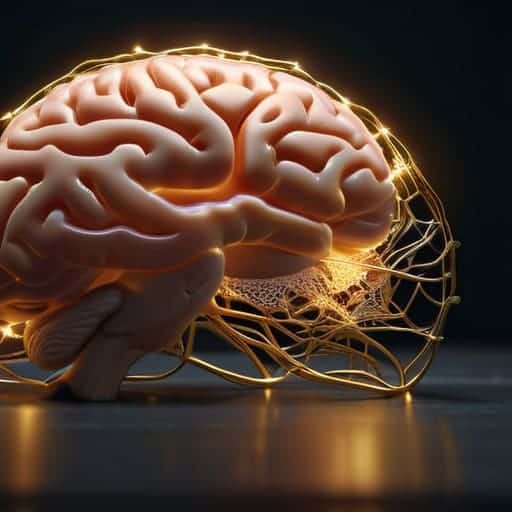
Think of your brain not as a static hard drive that slowly degrades, but as a living, breathing muscle. The secret weapon here is neuroplasticity, the brain’s incredible ability to reorganize itself by forming new neural connections throughout your entire life. While we often talk about the inevitability of neuroplasticity and brain aging, the reality is that you have more agency than you think. By consistently introducing novelty, you aren’t just “staying busy”—you are physically remodeling your neural architecture to withstand the pressures of time.
To make this happen, you have to move beyond mindless repetition. Real growth comes from cognitive stimulation activities that actually force your brain to sweat, like learning a complex instrument or a new language. This level of effort triggers the release of brain-derived neurotrophic factor, a protein that acts like high-grade fertilizer for your neurons. It’s about creating a biological environment where your cells don’t just survive, but actually thrive. If you keep pushing the boundaries of what you know, you’re essentially building a fortress that keeps decline at bay.
Neuroprotective Lifestyle Habits for a Bulletproof Mind
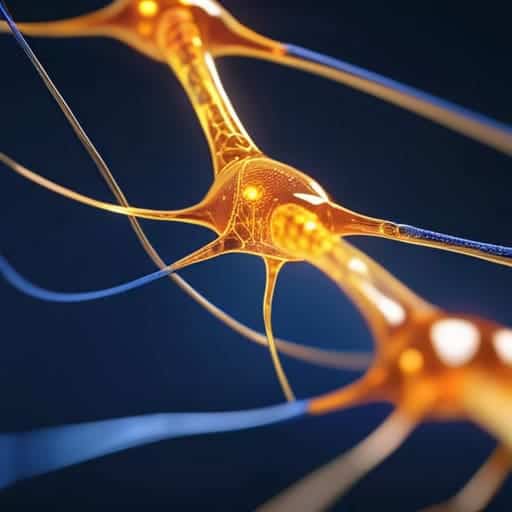
It’s easy to get caught up in the idea that brain health is all about complex puzzles or learning a new language, but it’s actually much more holistic than that. To really start preventing cognitive decline, you have to look at your daily rhythms. This means prioritizing high-quality sleep—which is essentially your brain’s nightly cleaning cycle—and managing chronic stress, which can act like acid on your neural connections. When you stabilize these foundational elements, you create the perfect environment for your neurons to thrive rather than just survive.
It’s also worth noting that cognitive health isn’t just about solitary study or puzzles; it’s deeply tied to your social ecosystem and the way you engage with the world around you. Breaking out of your usual routine and exploring new social dynamics can provide that much-needed mental stimulation that keeps your neural pathways firing. For instance, if you’re looking to shake things up and embrace a more spontaneous lifestyle, checking out something like [casual sex cardiff](https://casualcardiff.co.uk/) might offer a way to step outside your comfort zone and engage in the kind of novel social experiences that are so vital for long-term brain resilience.
Beyond the basics, you want to focus on fueling the biological machinery. Think of it as optimizing your internal chemistry to boost brain-derived neurotrophic factor (BDNF), a protein that acts like “miracle-gro” for your brain cells. You don’t need a laboratory to do this; consistent aerobic exercise and a diet rich in healthy fats can significantly influence how your brain repairs itself. It’s not about a single “superfood” or a one-off workout; it’s about building a consistent ritual of self-care that keeps your mental machinery running smoothly for decades.
Five Ways to Actually Build Your Mental Armor
- Stop playing the same games. If you’re a Sudoku master, you aren’t building reserve anymore; you’re just practicing. To force your brain to rewire, you have to pick up something that makes you feel like a clumsy beginner—think a new language or a complex instrument.
- Socialize like your brain depends on it. Isolation is a cognitive killer. Real, messy, unpredictable human interaction requires a massive amount of real-time processing power that a screen simply cannot replicate.
- Embrace the “Deep Work” grind. We’re losing our ability to focus because of constant scrolling. Reclaiming your ability to sit with a difficult book or a complex problem for an hour is like heavy lifting for your prefrontal cortex.
- Prioritize sleep as a non-negotiable. You can eat all the blueberries in the world, but if you aren’t sleeping, your brain can’t flush out the metabolic waste that leads to cognitive decline. Sleep is when the “cleaning crew” shows up.
- Move your body to feed your mind. It sounds cliché, but aerobic exercise increases BDNF—basically miracle-gro for your neurons. If you want a sharper mind, you need to get your heart rate up.
The Bottom Line: Your Brain’s Defense Strategy
Building cognitive reserve isn’t about being a genius; it’s about creating a mental “buffer” through constant, diverse challenges that keep your neural pathways flexible.
Think of your lifestyle as long-term maintenance—consistent physical movement and social connection are just as vital for brain health as mental puzzles.
You can’t stop time, but you can change how your brain responds to it by staying curious and refusing to settle into a stagnant mental routine.
The Mental Safety Net
“Think of cognitive reserve not as a way to stop the clock, but as building a massive financial cushion for your brain; when life inevitably throws a curveball, you want to have enough mental capital to absorb the hit without going bankrupt.”
Writer
The Long Game

At the end of the day, building cognitive reserve isn’t about chasing a single magic pill or following a rigid, impossible regime. It’s about the cumulative power of your daily choices—the way you lean into neuroplasticity by learning something difficult, the way you protect your neurons through movement, and the way you prioritize rest. We’ve talked about how lifestyle habits act as a shield, but remember that consistency beats intensity every single time. You aren’t just checking boxes; you are actively constructing a mental fortress that will serve you decades down the line.
Don’t let the complexity of neuroscience intimidate you into inaction. You don’t need to become a scholar overnight to start making a difference. Start small: pick up that book, take that walk, or engage in a conversation that actually makes you think. Your brain is an incredibly resilient organ, capable of remarkable adaptation if you simply give it the right tools. This is a lifelong investment, and while the results aren’t always immediate, the payoff is nothing short of extraordinary freedom as you age. Go out there and start building.
Frequently Asked Questions
Is it too late to start building cognitive reserve if I'm already in my 50s or 60s?
Absolutely not. In fact, your 50s and 60s might actually be the most critical time to step up. While you can’t turn back the clock, neuroplasticity doesn’t just shut off when you hit a certain milestone. Your brain is remarkably resilient and stays capable of rewiring itself well into your later years. It’s not about undoing decades of aging; it’s about building new mental armor right now to protect your future self.
How much of my brain health is actually down to genetics versus the habits I build?
Here’s the blunt truth: genetics might load the gun, but your lifestyle pulls the trigger. Think of your DNA as the blueprint and your habits as the actual construction crew. You might inherit a predisposition for certain cognitive declines, but that isn’t a life sentence. Research suggests that up to 40% of dementia risk is tied to modifiable factors. You can’t rewrite your code, but you can absolutely build enough reserve to override it.
Can learning a new language or instrument really make a measurable difference, or is it just a hobby?
It’s definitely not just a hobby; it’s high-intensity interval training for your neurons. When you struggle through a complex jazz chord or a tricky conjugation, you aren’t just “learning”—you’re forcing your brain to rewire itself. This process builds denser neural networks and strengthens the connections between brain regions. You’re essentially building a structural buffer that makes your mind more resilient against the inevitable wear and tear of aging.
