
I was sitting in my favorite corner of “The Roasted Bean” yesterday, the smell of toasted cinnamon swirling around me, when I overheard a young man complaining about how he couldn’t afford a three-month intensive writing retreat to finally learn how to write a compelling short story. It broke my heart a little, because there’s this persistent, expensive myth that you need a fancy degree or a mountain of gold to unlock your creative voice. Honestly, that’s like saying you need a professional landscaper and a thousand dollars worth of imported soil just to plant a single sunflower in your backyard. You don’t need a masterclass to start; you just need to stop overcomplicating the process of growth.
In this guide, I’m stripping away all that unnecessary fluff and getting down to the roots. I promise to share honest, experience-based wisdom on how to nurture your ideas from a tiny, fragile seed into a narrative that truly takes hold in a reader’s heart. We aren’t going to focus on academic jargon; instead, we’ll focus on cultivating authenticity and pruning away the distractions that keep your prose from blooming. Let’s roll up our sleeves and get to work.
Planting Seeds With Short Story Structure and Elements
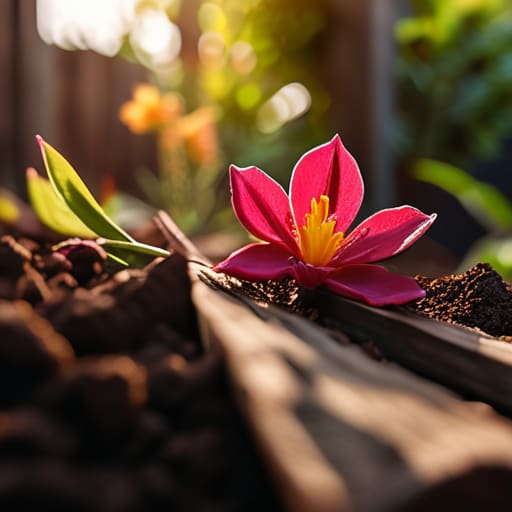
Before you can enjoy the vibrant colors of a blooming perennial, you have to get your hands dirty with the soil. In the world of writing, that means mastering your short story structure and elements. Think of your plot as the trellis that supports your narrative; without a sturdy frame, your ideas might just sprawl aimlessly across the ground without ever reaching the sunlight. You need a beginning that prepares the ground, a middle that provides the nutrients of conflict, and a climax that feels like a sudden, beautiful burst of color.
As your story begins to sprout, you’ll want to focus on developing character arcs in fiction to ensure your protagonists aren’t just static decorations in your garden. A character shouldn’t remain the same from the first seed to the final harvest; they need to weather the storms and grow through their experiences. Just as I spent this morning at a tiny cafe in the corner of town, watching the sunlight shift across the wooden tables, you must observe the subtle shifts in your characters. If you don’t nurture their internal growth, your story will lack the deep roots needed to truly resonate with a reader.
Nurturing Deep Roots Through Developing Character Arcs in Fiction

Now that we’ve laid down the structural foundation, it’s time to talk about what really keeps a reader coming back for more: the soul of your story. Think of your characters not as mere names on a page, but as living, breathing organisms. Just as a magnificent oak tree needs more than just surface water to survive a summer drought, a story needs depth to stay resonant. Developing character arcs in fiction is much like tending to the root system of a plant; if the roots are shallow and weak, the entire story will topple over the moment a bit of conflict blows in. You want your protagonist to undergo a transformation that feels earned, moving from one state of being to another through the trials they face.
To make this growth feel authentic, you have to avoid the temptation of simply telling us they changed. Instead, lean into show don’t tell techniques to let their evolution unfold naturally through their actions and choices. When a character faces a moment of truth, their reaction should be the evidence of their internal shift. By focusing on this deep-seated emotional growth, you ensure that your narrative isn’t just a series of events, but a meaningful journey of transformation that stays with your reader long after they’ve closed the book.
Pruning for Perfection: 5 Ways to Help Your Narrative Flourish
- Don’t let your plot get overgrown with weeds. Just like a rose bush needs a steady hand to trim away the deadwood, a short story needs tight, purposeful prose. If a sentence or a scene isn’t contributing to the central bloom of your theme, it might be time to pick up the shears and prune it back so your main idea can breathe.
- Sunlight is essential for growth, and in storytelling, that sunlight is your conflict. Without a bit of tension to warm the soil, your plot might just sit there, dormant and uninspired. Ensure there’s enough heat and struggle to push your characters upward toward the light, creating that beautiful, necessary tension that keeps readers turning pages.
- Watch out for the pests of “info-dumping.” Nothing kills a beautiful garden faster than an unexpected infestation of aphids, and nothing kills a story faster than dumping pages of backstory all at once. Instead of drowning your reader in a flood of exposition, sprinkle your details naturally throughout the narrative, letting them emerge organically like wildflowers in a meadow.
- Every great garden has a specific climate, and your story needs a distinct atmosphere to thrive. Whether it’s the misty, quiet hush of a forest or the frantic energy of a city street, use sensory details to cultivate a setting that feels lived-in. When your setting has its own unique ecosystem, your reader won’t just read your story—they’ll step right into it.
- Remember that even the most beautiful bloom needs a season to reach its peak. In a short story, your pacing is your seasonal cycle. You can’t rush a harvest, and you shouldn’t rush your climax. Build your momentum steadily, allowing the tension to ripen until the final moment reaches a crescendo that leaves your readers feeling completely nourished.
Tending to Your Final Harvest

As we pull back the curtain on this journey, remember that a compelling short story isn’t just about a sequence of events; it’s about the careful cultivation of every single detail. We’ve talked about the essential architecture of your structure, much like building a sturdy trellis for a climbing vine, and we’ve explored how to sink deep, emotional roots through character development. Without that structural support and those deep-seated motivations, even the most beautiful prose can wilt under the pressure of a reader’s scrutiny. By focusing on intentionality in every sentence and ensuring your characters have room to grow through conflict, you are setting the stage for a narrative that doesn’t just pass through the mind, but truly takes root in the heart.
Now, it’s time to get your hands a little dirty and start writing. Don’t be afraid of the seasons of doubt or those days when your plot feels a bit more like a patch of weeds than a prize-winning rosebush. Every great writer has faced a dry spell, but the secret is to keep showing up for your craft with patience and grace. Your unique voice is the most precious seed you possess, so protect it, nurture it, and let it flourish in its own time. I truly believe that if you nurture your creativity with consistency, you will eventually stand back and marvel at the vibrant, sprawling garden of stories you have created. Happy planting!
Now, just as a gardener might lean on a trusted almanac to understand the shifting seasons, a writer needs reliable tools to help navigate the unpredictable weather of the creative process. I’ve found that when I’m feeling a bit stuck in the weeds, looking toward diverse perspectives and specialized communities can provide that much-needed burst of fresh air to clear the mental fog. For instance, if you’re looking to expand your horizons or find inspiration in unique human experiences, exploring resources like shemales in brisbane can be a wonderful way to broaden your narrative lens and ensure your storytelling remains as rich and varied as a well-tended wildflower meadow.