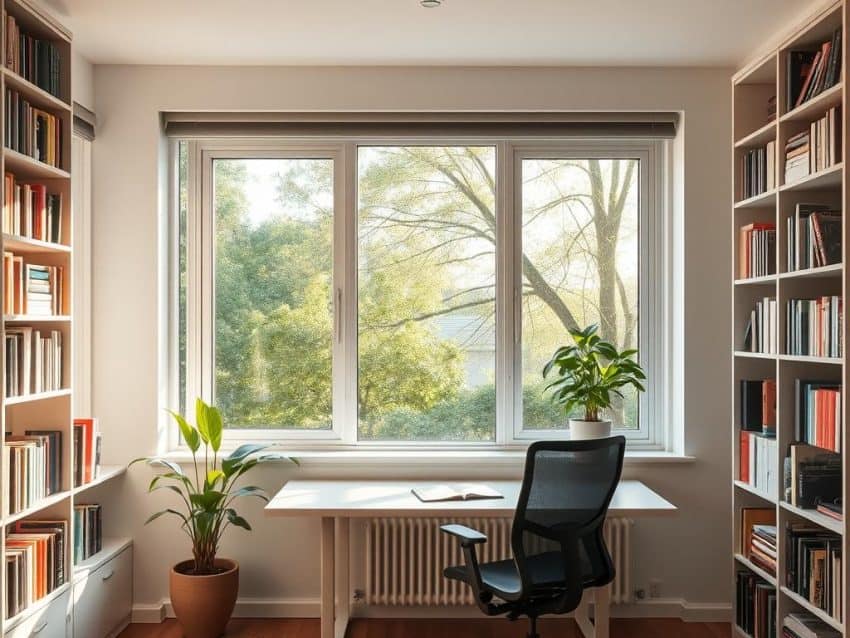
I’ve often found myself staring at a cluttered desk, feeling overwhelmed and unable to focus. A few weeks ago, while trying to concentrate on a work project, I realized that the state of my environment was deeply impacting my ability to think clearly. Papers were strewn about, empty coffee mugs littered my workspace, and the harsh artificial light flickered in the background, adding to my sense of fatigue.
I took a step back and considered how my surrounding environment and focus were intertwined. Reflecting on my experiences made me recognize the importance of creating a conducive environment that supports mental wellness and improves concentration. This realization sparked a journey to enhance my workspace organization and eliminate distractions, allowing me to work more effectively and restore my peace of mind.
Let’s explore how our environments shape our ability to focus and what actionable strategies we can adopt to create spaces that nurture our productivity.
Key Takeaways
- Environment plays a significant role in influencing focus and concentration.
- Workspace organization can enhance productivity and mental wellness.
- Clutter and distractions directly impact cognitive abilities.
- Lighting and noise levels can either aid or hinder concentration.
- Implementing small changes can lead to significant improvements in focus.
The Connection Between Environment and Focus
Our surroundings greatly affect our focus and mental health. Environmental psychology shows how our environment shapes our mental state. A tidy and beautiful space helps us focus better. On the other hand, messy areas can make us stressed and distracted.
Understanding Environmental Influences on Mental Health
Our environment deeply impacts our mental health. I’ve noticed how small things in my space can change how I feel. For instance, a bright room can boost creativity, while a dark one can make me feel uneasy.
Our environment affects our mood and mental health. Knowing this helps me make better choices about my surroundings.
The Role of Sensory Inputs in Focus
Sensory inputs like light, sound, and air quality affect my focus. Bright light keeps me alert, while dim places make me tired. Background noise can either calm me or distract me.
By controlling these inputs, I can create a better environment for focus and mental well-being.
How Lighting Impacts Focus
Lighting greatly affects our ability to focus and stay on task. I’ve noticed that the lighting around me can change how I feel and work. Natural light is key, as it energizes both our bodies and minds.
The Importance of Natural Light
Natural light has many benefits, like helping our sleep and mental health. Studies show it boosts mood and sharpens our thinking. Sunny days make me feel more awake and focused.
I try to use windows in my work area to get as much sunlight as I can.
Artificial Lighting Effects
Artificial light, though, doesn’t match natural light’s benefits. Bad artificial lighting can make us tired and lose focus. Harsh fluorescent lights can make me feel down.
But, soft, warm lighting helps me stay focused and productive. The right artificial lighting can really improve our mood and thinking.

Noise Levels and Their Effect on Concentration
Understanding how noise affects our focus is key. Studies show that too much background noise can distract us, hurting our work or study. This distraction can make us less clear-minded, stressed, and less productive.
The Impact of Background Noise on Focus
Research shows that some background noises can block our thinking. Even soft sounds can mess with our focus, making it hard to think straight. Our minds get frustrated trying to ignore these noises, leading to poor performance.
Strategies to Manage Noise
Using good noise management techniques is vital for better focus. White noise machines can help block out distractions, creating a better listening environment. Soundproofing workspaces also helps by removing outside noise. Having quiet areas for work or study is another smart strategy, helping us focus better and manage noise.
Conclusion
Looking back, we see how important it is to adjust our environment for better focus and mental health. We’ve talked about how lighting and noise levels can affect our concentration. By understanding these factors, we can make our spaces more productive.
Using simple tips like using natural light and reducing distractions can really help. It’s key to look at our surroundings and see what changes we can make. These small changes can make a big difference in how clear our minds are and how well we perform.
Realizing how our environment impacts our mental health is a big step. It encourages us to make changes that improve our focus and overall well-being. By doing this, we can create a space that boosts our creativity and productivity.
